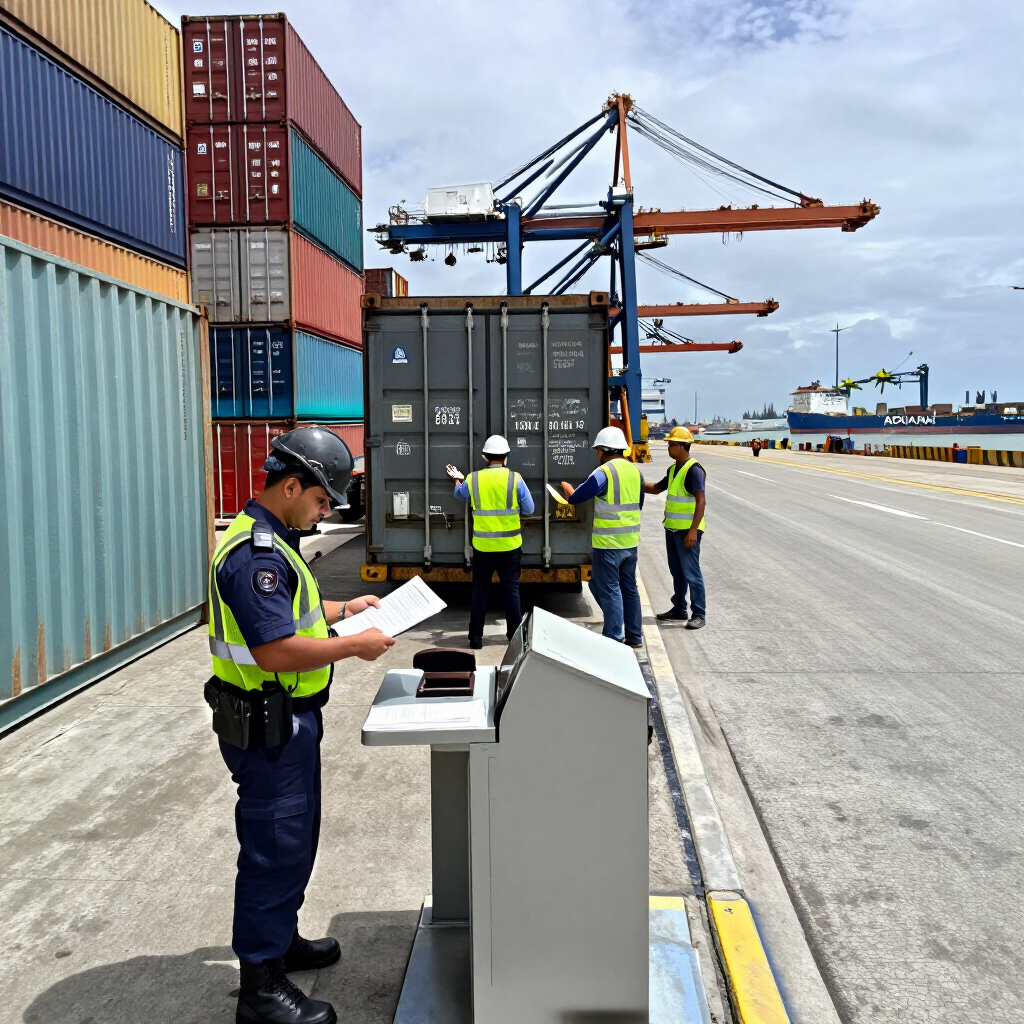
Common Mistakes When Entering the Argentine Market

Entering the Argentine market can be a strategic move for U.S. companies looking to expand into Latin America, but it is rarely a straightforward process. From our day-to-day work at COMEX-AR, we’ve seen how even experienced exporters fall into the same traps when approaching Argentina for the first time. The issue is not a lack of business knowledge, but rather a misunderstanding of how local regulations, costs, and operational dynamics actually work.
One of the first import Argentina mistakes companies make is assuming that market entry can be handled internally without specialized support. In practice, Argentina requires a much more detailed level of planning. That’s why many businesses choose to rely on professional import consulting services in Argentina to evaluate feasibility before taking action. If you are considering this step, you can explore how a structured approach works through our customized foreign trade solutions.
Import Argentina Mistakes: Misunderstanding How the Import System Really Works
Argentina’s import system is highly regulated, and this is where many companies encounter their first major obstacle. It’s common to see businesses moving forward with shipments assuming that documentation can be adjusted along the way. In Argentina, that approach simply doesn’t work.
Every product must comply with specific requirements before it even leaves the country of origin. Missing a certification, misclassifying a product, or failing to anticipate licensing requirements can result in goods being held at customs indefinitely. These are not minor operational issues—they directly impact costs, timelines, and client relationships.
From a professional standpoint, the key is to treat the import process as a pre-validated operation, not as a reactive one. This means working with accurate tariff classifications, understanding regulatory restrictions, and aligning documentation from the beginning.
Import Argentina Mistakes: Overlooking the Real Cost of Importing
Another frequent import Argentina mistake is underestimating the total cost structure. Many companies build their pricing strategy based on FOB or CIF values, without fully considering what happens once the goods arrive in Argentina.
The reality is that import costs go far beyond freight and duties. There are multiple layers of taxation, customs fees, and financial impacts related to currency exchange. When these variables are not calculated in advance, margins can quickly disappear.
What we typically recommend is a comprehensive landed cost analysis, which allows companies to understand their real position in the market before committing to an operation. This is not just about avoiding surprises—it’s about making informed decisions that support long-term profitability.
Import Argentina Mistakes: Not Having the Right Import Structure
One of the most underestimated aspects of entering Argentina is the need for a proper legal and operational structure. Companies often assume they can sell into the market without being fully registered, only to discover that customs clearance is not possible without meeting specific requirements.
To operate legally, you must be registered as an importer with the relevant authorities and maintain compliance with tax and customs regulations. For foreign companies, this raises an important strategic decision: whether to establish a local entity or operate through a third-party importer.
Each option comes with its own implications. Setting up a company provides control but requires time and administrative effort. Working with an established import structure can accelerate market entry but must be handled with the right partner. Choosing incorrectly is a classic import Argentina mistake that can delay operations significantly.
Import Argentina Mistakes: Ignoring the Financial and Currency Context
Argentina’s financial environment is unique, and overlooking this reality is another common mistake. Currency controls and payment regulations are not just technical details—they directly affect how business is conducted.
We’ve seen companies struggle with supplier payments, cash flow planning, and profit repatriation simply because they didn’t factor these elements into their strategy. A successful operation requires aligning the commercial model with the country’s financial framework.
This is why a well-structured entry plan must include not only logistics and customs considerations, but also financial risk management and payment strategy.
Import Argentina Mistakes: Weak Operational and Logistics Planning
Logistics in Argentina require precision. It’s not unusual for companies to assume standard transit times and processes, only to encounter delays caused by documentation inconsistencies or coordination issues between different actors in the supply chain.
What makes the difference here is not just choosing a freight forwarder, but integrating logistics into a broader operational plan. This includes aligning shipping schedules with customs procedures, anticipating potential bottlenecks, and ensuring that all documentation is consistent across the entire process.
When this level of coordination is missing, delays become inevitable—and costly.
Import Argentina Mistakes: Why a Strategic Approach Changes Everything
Avoiding import Argentina mistakes is not about perfection, but about preparation. Companies that succeed in this market are those that take the time to understand the rules, adapt their strategy, and rely on experienced partners.
Argentina offers real opportunities, but it demands a professional approach. A well-executed market entry strategy should combine regulatory knowledge, cost analysis, operational planning, and financial structuring into a single, coherent plan.
At COMEX-AR, we help international companies navigate this complexity with a practical and results-driven methodology. If you're evaluating your expansion into Argentina, accessing expert import advisory services can make the difference between a delayed operation and a successful market entry.
You can learn more about how we support companies with tailored solutions here: https://www.comex-ar.es/en/services
Entering Argentina is not impossible—but doing it right requires insight, structure, and the right guidance from the start.
Do you need expert guidance to import auto parts without complications?
At
COMEX-AR, we help you manage the entire import process with full security and in compliance with current regulations. From documentation to logistics, we optimize every step so you can receive your auto parts without delays or unnecessary costs.
Personalized consulting
End-to-end import management
Full compliance with regulations and certifications
👉 Contact us today and take your business to the next level.
Click here for more information.